

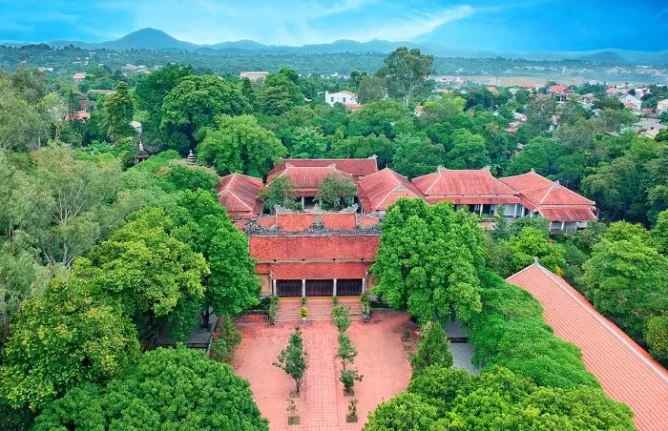
Bao Quoc Pagoda is one of Hue’s historic Buddhist temples, offering visitors a peaceful place to discover the spiritual heritage of Vietnam’s former imperial capital. Situated on Ham Long Hill, the pagoda is known for its traditional architecture, leafy surroundings, and long connection with Buddhist education.
Unlike Hue’s busiest tourist attractions, Bao Quoc Pagoda offers a quieter experience. Here, visitors can explore the temple grounds at a relaxed pace, admire traditional details, and learn about the role Buddhism has played in the cultural life of Central Vietnam.
Furthermore, the pagoda remains a place of Buddhist practice rather than simply a historical monument. Therefore, a visit provides an opportunity to appreciate both its architectural heritage and its continuing spiritual significance.
Whether you are interested in Vietnamese culture, Buddhist history, or peaceful places away from the main tourist routes, Bao Quoc Pagoda is worth including in your Hue itinerary.

1. Where Is Bao Quoc Pagoda?
Bao Quoc Pagoda is located at 17 Bao Quoc Street in Hue City, Vietnam. Its position on Ham Long Hill makes it a convenient destination for travellers exploring the city’s Buddhist heritage.
Because the pagoda is relatively close to central Hue, visitors can reach it by taxi, motorbike, bicycle, or private car. In addition, it can be combined with other cultural attractions on the southern side of the city.
Although the surrounding urban area has developed over time, the temple retains a peaceful atmosphere within its grounds. As a result, it provides a welcome contrast to the busier streets, markets, and commercial areas of Hue.
Before visiting, remember that Bao Quoc Pagoda is an active religious site. Consequently, visitors should dress respectfully, speak quietly, and avoid disturbing people who are praying or taking part in Buddhist activities.

2. The History of Bao Quoc Pagoda
Founded in the Late Seventeenth Century
Bao Quoc Pagoda traces its origins to the late seventeenth century, when Buddhist monk Giac Phong established the temple on Ham Long Hill. Historical accounts commonly place its founding around 1670–1674.
At the time, Buddhism was an important part of the spiritual and cultural life of the region. Therefore, the establishment of temples such as Bao Quoc helped strengthen religious practice and create places for Buddhist learning.
The pagoda was initially associated with the name Ham Long Thien Tho Tu. Over the centuries, it underwent changes and restorations that reflected the development of Buddhism and the political history of the former imperial capital.
The Royal Title in 1747
An important milestone occurred in 1747, during the rule of Lord Nguyen Phuc Khoat, when the temple received a royal title and became known as Bao Quoc Pagoda.
This recognition strengthened its historical standing and contributed to its reputation as an important Buddhist institution in Hue.
Moreover, the pagoda’s subsequent history was closely connected with the religious traditions and cultural development of the region. Although its buildings changed through different periods, the temple continued to preserve its role as a place of worship and Buddhist practice.
Restoration and Buddhist Education
Bao Quoc Pagoda underwent restoration during the Nguyen dynasty, including an important reconstruction associated with 1808. These changes helped maintain the temple and preserve its role within Hue’s religious landscape.
In the twentieth century, the pagoda became particularly important for Buddhist education. It was associated with the development of Buddhist training institutions and the education of monks, contributing to the wider Buddhist revival in Central Vietnam.
Consequently, Bao Quoc Pagoda should not be understood only as an old architectural site. Its significance also lies in the generations of monks and Buddhist practitioners who studied, worshipped, and helped maintain its traditions.

3. What to See at Bao Quoc Pagoda
Although the pagoda is not as large as some of Hue’s major attractions, its architectural details and quiet atmosphere make it rewarding to explore. To appreciate the site fully, take your time rather than rushing from one feature to another.
The Traditional Three-Gate Entrance
The entrance is one of the first features visitors encounter. Its traditional design, tiled roof, and decorative elements reflect the architectural style commonly associated with historic Buddhist temples in Hue.
As you approach the gate, notice how it separates the everyday world outside from the quieter religious space within. Furthermore, the entrance provides an attractive setting for photography, provided that you respect any restrictions and avoid disrupting worshippers.
The Main Hall
The main hall is the central place of worship within the temple complex. Inside, visitors may encounter Buddhist statues, altars, and religious decorations that reflect Mahayana Buddhist traditions.
However, the most meaningful way to experience the hall is to observe quietly and respectfully. If a ceremony or prayer session is taking place, avoid unnecessary movement and follow the guidance of temple staff or signs.
The Ancestral Hall and Memorial Spaces
Traditional Buddhist temples often include spaces dedicated to remembering respected monks and preserving the temple’s lineage. These areas help connect the present community with earlier generations of teachers and practitioners.
At Bao Quoc Pagoda, the wider complex reflects this connection between worship, remembrance, and Buddhist education. Therefore, visitors should look beyond the main hall to appreciate the temple as a living religious institution.
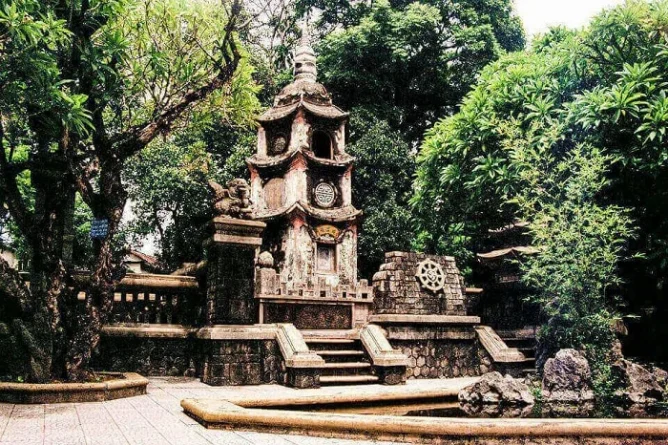
The Temple Grounds and Greenery
The trees, courtyard, and surrounding hill create a calm setting that encourages visitors to slow down. In contrast to Hue’s busy streets, the grounds offer a quieter environment for reflection and cultural exploration.
Nevertheless, the pagoda is an active place of worship, so it is important to keep conversations quiet and remain within areas open to visitors.
4. Why Is Bao Quoc Pagoda Important?
Bao Quoc Pagoda is important for several reasons, including its long history, religious traditions, and contribution to Buddhist education.
First, its origins in the late seventeenth century make it part of Hue’s longstanding Buddhist heritage. The temple has witnessed changes in the region’s political and cultural landscape while continuing to serve as a place of worship.
Second, the pagoda is associated with Buddhist education and the training of monks. This role extends its significance beyond architecture, connecting it with the transmission of religious knowledge across generations.
Finally, Bao Quoc Pagoda offers a glimpse into the everyday life of Vietnamese Buddhism. Unlike a museum, it remains connected to active religious practice. As a result, visitors can experience a place where history and contemporary spiritual life coexist.
For travellers interested in understanding Hue beyond its royal palaces and imperial tombs, the pagoda adds an important cultural dimension to the journey.
5. Best Time to Visit Bao Quoc Pagoda
Bao Quoc Pagoda can be visited throughout the year, although the weather in Hue may influence the experience.
Early Morning
Early morning is a good choice for visitors who prefer cooler temperatures and a quieter atmosphere. In addition, the soft light can create attractive conditions for photography around the entrance and courtyard.
Late Afternoon
Late afternoon can also be pleasant, especially when the weather is mild. However, visitors should allow enough time to explore before leaving and should check locally for any changes to access arrangements.
Visiting During Buddhist Festivals
During Buddhist festivals or special ceremonies, the temple may become busier than usual. These occasions can provide insight into local religious traditions; nevertheless, visitors should be especially mindful of worshippers and follow any photography restrictions.
Hue can experience heavy rain during parts of the year. Therefore, check the weather forecast before your visit and bring an umbrella or light raincoat if necessary.
6. How to Get to Bao Quoc Pagoda
Because Bao Quoc Pagoda is located within Hue, it is relatively easy to reach from the city centre.
By Taxi or Private Car
A taxi or private car is a convenient option for travellers who prefer a direct journey. Furthermore, private transport makes it easier to combine the pagoda with several other attractions in one day.
By Motorbike
Travellers comfortable with local traffic may choose to visit by motorbike. However, make sure to park only in appropriate areas and follow local traffic regulations.
By Bicycle
Cycling can be an enjoyable way to explore Hue, particularly if you want to discover the city at a slower pace. Nevertheless, consider the weather, road conditions, and distance from your accommodation before choosing this option.
If you are visiting with a guide, ask them to explain the pagoda’s history and its connection with Buddhist education. This additional context can make the visit more meaningful.
7. Places to Visit Near Bao Quoc Pagoda
If you have additional time, consider combining Bao Quoc Pagoda with other cultural and historical attractions in Hue.
Tu Dam Pagoda
Tu Dam Pagoda is another important Buddhist site associated with the development of modern Buddhism in Central Vietnam. Visiting both temples can help you understand different aspects of Hue’s religious history.
Tu Hieu Pagoda
Tu Hieu Pagoda is known for its peaceful, tree-filled surroundings and strong connection with Buddhist monastic life. In addition, its quiet atmosphere makes it a suitable destination for visitors seeking a slower cultural experience.
Thien Mu Pagoda
Thien Mu Pagoda is one of Hue’s most recognisable religious landmarks, overlooking the Perfume River. Its historic architecture and riverside setting make it a popular stop for travellers.
In contrast to Bao Quoc Pagoda’s quieter urban setting, Thien Mu is widely known for its scenic views and prominent place in Hue’s tourism landscape.
Hue Imperial City
For visitors interested in the history of the Nguyen dynasty, Hue Imperial City offers a different perspective on the former capital. Combining a Buddhist temple visit with the imperial complex creates a balanced itinerary that explores both religious and royal heritage.
8. Practical Tips for Visiting Bao Quoc Pagoda
To make your visit comfortable and respectful, keep these recommendations in mind.
- Dress modestly: Wear clothing that covers your shoulders and knees.
- Speak quietly: Remember that the pagoda remains an active place of worship.
- Respect photography rules: Ask permission when appropriate and avoid photographing ceremonies if prohibited.
- Allow enough time: Around 30–60 minutes is a reasonable starting point for a short visit, although a longer stay may be worthwhile if you want to explore carefully.
- Check local access information: Opening arrangements and access to specific areas may change, so confirm details locally before travelling.
- Keep the grounds clean: Avoid littering and respect the temple’s surroundings.
Above all, approach the pagoda with curiosity and respect. By doing so, you can appreciate not only its architecture but also the living traditions that give the site its meaning.
9. Frequently Asked Questions About Bao Quoc Pagoda
Where is Bao Quoc Pagoda located?
Bao Quoc Pagoda is located at 17 Bao Quoc Street in Hue City, Vietnam, on Ham Long Hill.
When was Bao Quoc Pagoda founded?
The pagoda’s origins are generally dated to the late seventeenth century, commonly around 1670–1674.
Why is Bao Quoc Pagoda famous?
Bao Quoc Pagoda is known for its long Buddhist history, traditional architecture, and connection with Buddhist education in Hue.
How long should I spend at Bao Quoc Pagoda?
Allow approximately 30–60 minutes for a short visit. If you are interested in Buddhist history and architectural details, you may wish to stay longer.
Is Bao Quoc Pagoda suitable for international visitors?
Yes. It offers international visitors an opportunity to learn about Vietnamese Buddhism and Hue’s cultural heritage. A knowledgeable guide can provide helpful historical context.
What should I wear when visiting Bao Quoc Pagoda?
Wear modest clothing that covers your shoulders and knees. In addition, remove your shoes where requested and follow local instructions inside worship areas.
Conclusion: Experience the Spiritual Heritage of Bao Quoc Pagoda
Bao Quoc Pagoda is more than a historic temple in Hue. Its long history, traditional architecture, and connection with Buddhist education make it an important part of the city’s spiritual and cultural identity.
Furthermore, its peaceful setting offers a welcome contrast to Hue’s busier tourist attractions. By taking time to explore respectfully, visitors can gain a deeper appreciation of the Buddhist traditions that have shaped the former imperial capital.
If you are planning a cultural journey through Hue, consider adding Bao Quoc Pagoda to your itinerary alongside other historic temples and landmarks.
Explore Hue with Hue24h: Discover the city’s temples, royal heritage, local culture, and meaningful travel experiences at your own pace.