

1. Phuoc Tich Pottery Village
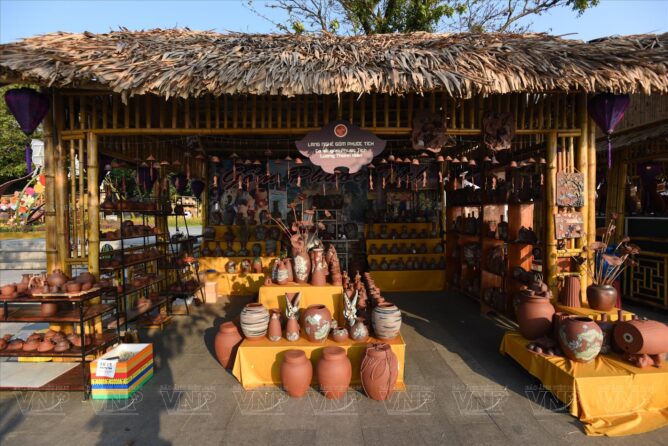
Phuoc Tich Pottery is one of the traditional cultural treasures of Hue, Vietnam. Located beside the peaceful O Lau River, this ancient village is well known for its handmade ceramics, traditional wooden houses and beautiful rural scenery.
With a history dating back more than 500 years, Phuoc Tich preserves an important part of the region’s cultural heritage. Unlike busy tourist attractions, the village offers a quiet atmosphere where visitors can explore traditional craftsmanship and experience the simple lifestyle of local people.
2. The History of Phuoc Tich Pottery
Phuoc Tich Village was established around 1470 during the reign of King Le Thanh Tong. Over generations, pottery gradually became the main traditional occupation of local residents.
The village developed a reputation for producing durable ceramic products for everyday life. Its pottery was once supplied to different areas and became associated with the royal court of the Nguyen Dynasty. Some traditional accounts also connect its famous cooking pots, known as om ngự, with royal cuisine.
Today, Phuoc Tich is recognized as an important historical and cultural destination. Its long-standing pottery tradition tells the story of the skills, dedication and creativity of generations of local artisans.
3. Traditional Pottery Craftsmanship
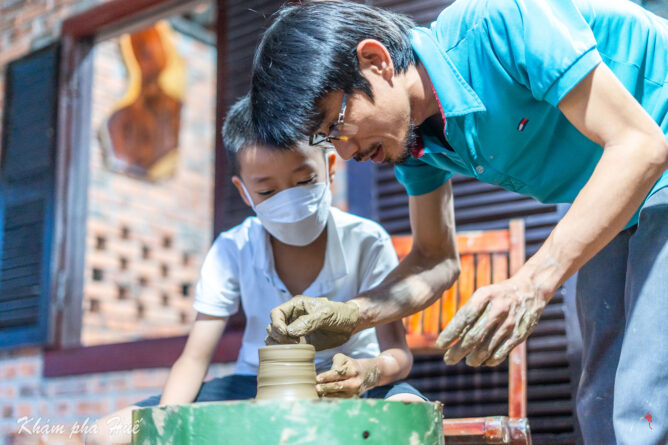
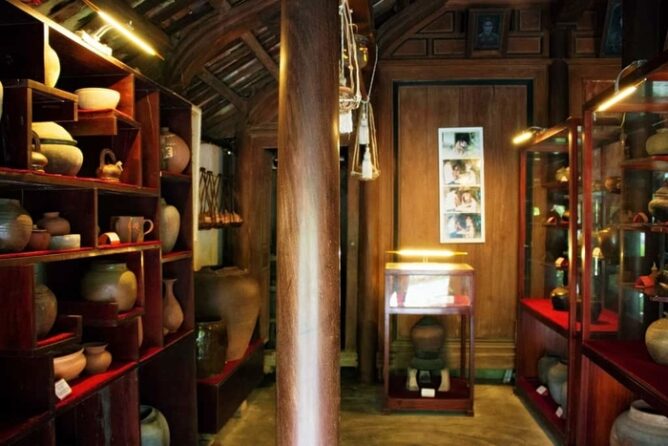
The charm of Phuoc Tich Pottery lies in its simple designs and traditional production techniques. Local artisans have created a variety of household products, including pots, jars, bowls, water containers and cooking utensils.
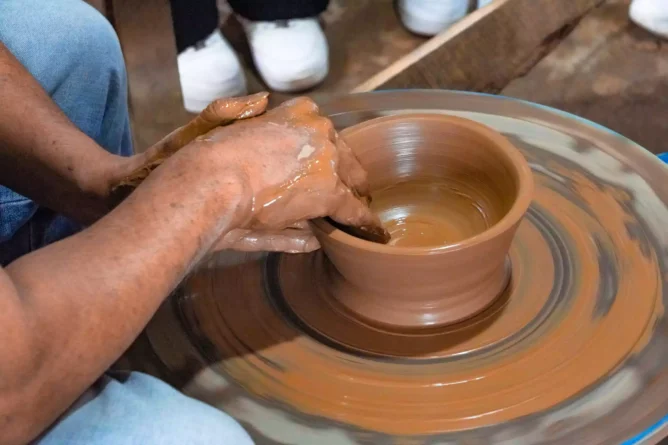
The traditional process begins with preparing and selecting suitable clay. Artisans then shape the clay into different forms, allow the products to dry and carefully fire them in kilns.
Each stage requires patience, experience and attention to detail. Although modern products have changed the market, traditional pottery remains an important symbol of the village’s identity.
4. Ancient Houses and Traditional Village Architecture
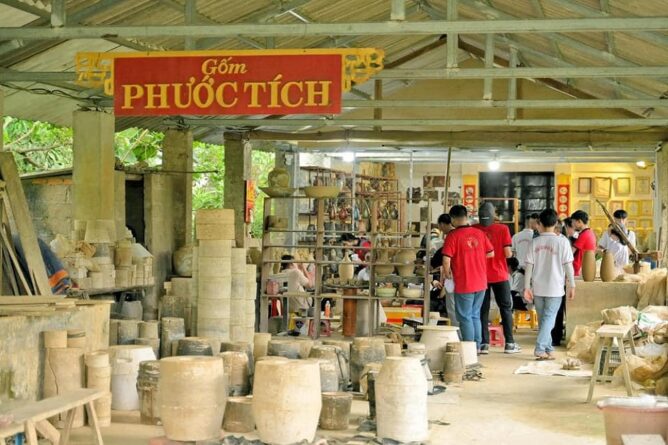
Phuoc Tich is not only famous for pottery but also for its collection of traditional wooden houses. These old houses, often surrounded by green gardens, reflect the architectural style and family traditions of central Vietnam.
Walking through the village, visitors can discover peaceful lanes, old wooden structures, ancestral worship spaces and traditional gardens. The architecture creates a special atmosphere that connects the village’s history with everyday life.
Together with its pottery heritage, these ancient houses make Phuoc Tich an attractive destination for travelers interested in Vietnamese culture and architecture.
5. Things to Do in Phuoc Tich
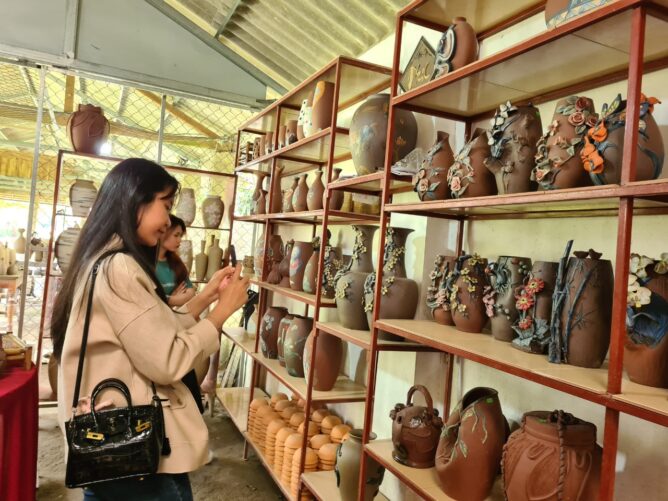
A visit to Phuoc Tich offers more than sightseeing. It allows travelers to learn about local traditions and discover a slower pace of life.
Some recommended experiences include:
- Explore traditional pottery: Learn about the history and techniques of the village’s ceramic craft.
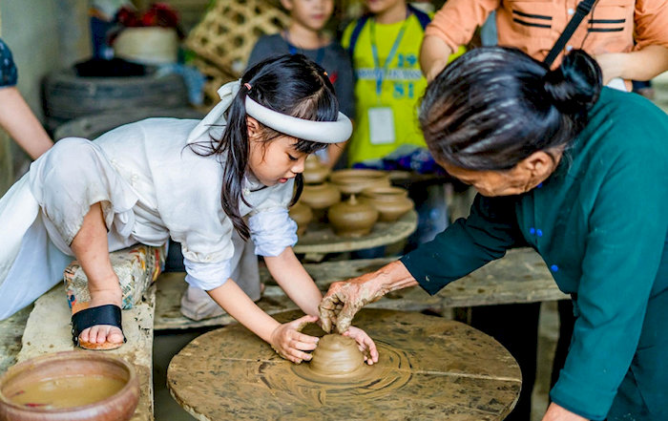
- Meet local artisans: Discover how handmade pottery is created and understand the skills behind each product.
- Visit ancient houses: Admire traditional wooden architecture and peaceful garden spaces.
- Walk around the village: Enjoy quiet lanes, local gardens and the scenery along the O Lau River.
- Discover local culture: Learn about the customs, family traditions and daily activities of village residents.
- Take photographs: Capture the traditional architecture and natural beauty of this historic destination.
6. Best Time to Visit Phuoc Tich
The best time to explore Phuoc Tich is generally from March to August, when Hue often experiences warmer weather and more favorable conditions for outdoor sightseeing.
During this period, visitors can comfortably walk through the village, explore traditional houses and enjoy the countryside. However, Hue can experience heavy rain during the later months of the year, so checking the weather forecast before traveling is recommended.
For a more relaxed experience, visitors should consider exploring the village in the morning or late afternoon.
7. How to Get to Phuoc Tich Pottery Village
Phuoc Tich is located approximately 40 kilometers north of Hue city center. Visitors can travel to the village by private car, motorbike or organized tour.
A private car is a convenient option for families and small groups, while traveling by motorbike offers more flexibility to explore the countryside along the way.
Travelers can also combine their visit with other cultural and historical attractions in northern Hue to create a fuller day of exploration.
Frequently Asked Questions
1. Where is Phuoc Tich Pottery Village located?
Phuoc Tich is located in northern Hue City, Vietnam, beside the O Lau River.
2. How old is Phuoc Tich Pottery Village?
The village dates back to around 1470 and has more than 500 years of pottery-making tradition.
3. What is Phuoc Tich famous for?
It is famous for traditional handmade ceramics, ancient wooden houses, historic architecture and peaceful rural scenery.
4. Can visitors experience pottery making in Phuoc Tich?
Visitors may have opportunities to learn about traditional pottery techniques and meet local artisans, depending on available activities at the time of their visit.
5. How far is Phuoc Tich from Hue city center?
The village is approximately 40 kilometers north of Hue city center.
Discover the Traditional Heritage of Hue
Phuoc Tich Pottery is more than an old craft village. It represents the creativity, history and cultural identity of generations of local people.
For travelers who want to explore a different side of Hue beyond its imperial monuments and famous attractions, Phuoc Tich offers a meaningful cultural experience. Its traditional ceramics, ancient houses and peaceful countryside make it a memorable destination in central Vietnam.