

Hue is one of Vietnam’s most atmospheric destinations, where imperial history, Buddhist heritage, traditional cuisine and the gentle flow of the Perfume River come together.
Once the capital of the Nguyen Dynasty, Hue still preserves an extraordinary collection of palaces, gates, temples and royal tombs. But the city is more than its monuments. Its quiet streets, garden houses, riverside walks, local markets and surrounding countryside reveal a slower and more peaceful side of Central Vietnam.
If you are planning a trip and wondering what to do in Hue, this guide covers the essential attractions, local experiences, food, itineraries and practical tips you need to plan your visit.
What Are the Best Things to Do in Hue?
If this is your first time in Hue, start with the Imperial City, visit one or two royal tombs, see Thien Mu Pagoda and spend some time beside the Perfume River.
You should also leave room for Hue’s food and everyday culture. A bowl of bun bo Hue, a walk through Dong Ba Market or a quiet afternoon in the countryside can be just as memorable as visiting another historical monument.
Here are the experiences worth prioritising:
| Experience | Recommended Time |
|---|---|
| Imperial City of Hue | 2–3 hours |
| Royal Tombs | 3–4 hours |
| Thien Mu Pagoda | 45–60 minutes |
| Perfume River | 1–2 hours |
| Dong Ba Market | 1 hour |
| Hue local food | 1–2 hours |
| Countryside and garden houses | Half day |
The best Hue itinerary is not necessarily the one with the most attractions. Give yourself enough time to walk slowly, look around and experience the atmosphere of the city.
How Many Days Do You Need in Hue?
For most travellers, two days in Hue is a comfortable amount of time.
One day is enough to see the main highlights if you plan carefully, but you will need to move at a faster pace. Two days allow you to explore the Imperial City, visit several royal tombs, discover Hue’s Buddhist heritage and enjoy the city’s food and riverside atmosphere without constantly watching the clock.
One Day in Hue
Focus on the highlights:
- Imperial City
- Hue local lunch
- One or two royal tombs
- Thien Mu Pagoda
- Perfume River at sunset
Two Days in Hue
With two days, add:
- Dong Ba Market
- More royal tombs
- Garden houses
- Countryside experiences
- Buddhist pagodas
- Local coffee and food experiences
Three Days in Hue
Three days are ideal if you want to travel slowly or combine Hue with surrounding destinations such as Quang Tri, Lang Co or the Hai Van Pass.
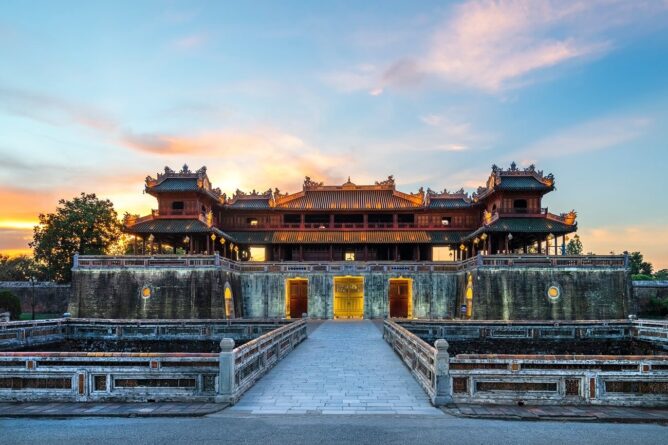
1. Explore the Imperial City of Hue
The Imperial City of Hue is the essential starting point for anyone visiting the former imperial capital.
Inside the vast citadel complex, you can walk through historic gates, courtyards, royal palaces, temples and gardens that once formed the centre of Nguyen Dynasty political and ceremonial life.
Start at Ngo Mon Gate, one of Hue’s most recognisable landmarks. Continue toward Thai Hoa Palace and explore the surrounding courtyards and restored structures before discovering the remains of the Forbidden Purple City.
The architecture tells only part of the story. Look closely at the decorative details, ceramic mosaics, wooden structures and symbols used throughout the complex.
Plan at least two hours for a meaningful visit. If you enjoy history and photography, allow longer.
The spacious courtyards and ancient trees also make the Imperial City a surprisingly calming place to walk. Rather than rushing from building to building, take a few moments to sit in the shade and observe the relationship between architecture, gardens and sky.
2. Visit the Royal Tombs of Hue
The royal tombs are one of the reasons Hue feels different from other Vietnamese destinations.
Rather than being simple burial places, the tomb complexes combine architecture, gardens, lakes, temples and natural landscapes. Each emperor created a different environment that reflects his personality, aesthetic preferences and view of royal life.
The three most popular tombs are Minh Mang, Tu Duc and Khai Dinh.
Minh Mang Tomb
Minh Mang Tomb is known for its balanced layout, formal architecture and harmonious relationship with nature.
It is a good choice if you appreciate traditional imperial architecture, symmetry and peaceful gardens.
Tu Duc Tomb
Tu Duc Tomb feels more intimate and poetic.
The complex includes lakes, pavilions, trees and quiet pathways. The natural setting makes it particularly appealing to travellers who enjoy photography, architecture and slower sightseeing.
Take your time here. Walking beside the lake or sitting beneath the trees can provide a welcome break from the busy pace of a typical sightseeing day.
Khai Dinh Tomb
Khai Dinh Tomb offers a striking contrast.
Built on a hillside, it combines Vietnamese imperial architecture with strong European influences. The interior is especially famous for its elaborate ceramic and glass decoration.
It is smaller than some other royal tomb complexes but visually dramatic, making it a favourite for photography.
Which Royal Tomb Should You Visit?
| Royal Tomb | Best For |
|---|---|
| Minh Mang | Architecture, symmetry and gardens |
| Tu Duc | Nature, poetry and atmosphere |
| Khai Dinh | Decorative details and photography |
If you have only one afternoon, choose one or two rather than trying to see everything.

3. Visit Thien Mu Pagoda
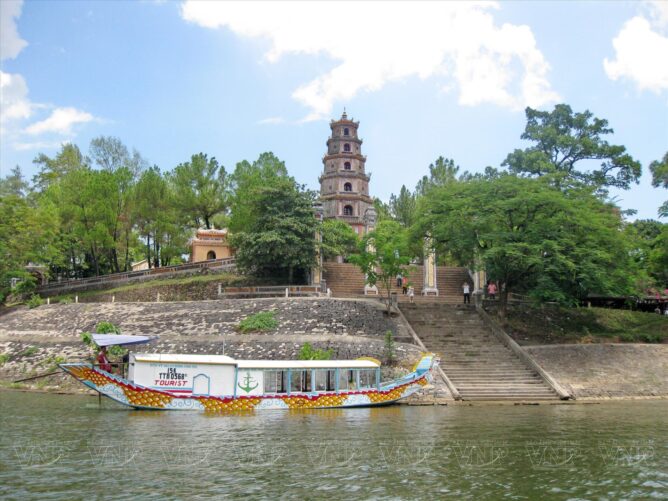
Standing beside the Perfume River, Thien Mu Pagoda is one of Hue’s most recognisable spiritual landmarks.
Its seven-storey Phuoc Duyen Tower has become an iconic symbol of the city, but the pagoda is more than a famous photograph.
Walk through the grounds, explore the temple area and take time to enjoy the gardens overlooking the river.
The atmosphere is noticeably quieter than the Imperial City, making Thien Mu a natural place to pause during a busy itinerary.
For travellers interested in Hue’s Buddhist heritage, the pagoda also provides an opportunity to understand another side of the city beyond its imperial history.
4. Experience the Perfume River
The Perfume River is part of the identity of Hue.
It separates the historic Citadel area from the modern southern side of the city and creates the relaxed rhythm that makes Hue feel different from busier destinations in Central Vietnam.
You can experience the river in several ways:
- Walk along the riverside
- Watch the sunset
- Take a dragon boat
- Cross Truong Tien Bridge
- Enjoy a coffee overlooking the water
- Take an evening stroll through central Hue
A quiet sunset beside the Perfume River can be one of the most restorative moments of your trip.
Instead of treating the river as simply another attraction, allow yourself time to sit, watch the boats and enjoy the changing light.

5. Taste the Local Cuisine of Hue
You cannot fully experience Hue without trying its food.
The city’s cuisine developed around both royal traditions and everyday local cooking, creating a distinctive food culture with delicate presentation, strong flavours and many small dishes.
Bun Bo Hue
Bun Bo Hue is the dish most visitors associate with the city.
The rich broth, beef, noodles, herbs and chilli create a flavour that is unmistakably Hue.
Banh Beo
Small steamed rice cakes are topped with shrimp, scallions and crispy ingredients.
They are usually eaten in several small portions, making them perfect for a local food experience.
Banh Khoai
Hue’s crispy savoury pancake is commonly served with fresh herbs and dipping sauce.
Com Hen
Com Hen combines rice with small river clams, herbs, peanuts, crispy toppings and a flavourful broth.
For the best food experience, do not rush through your meal. Sit down, try several dishes and pay attention to the textures, herbs and flavours that make Hue cuisine different.
6. Explore Dong Ba Market
Dong Ba Market is one of the best places to experience everyday Hue.
The market brings together food, fresh produce, clothing, handicrafts and countless small local stalls.
It is also a good place to discover Hue snacks and ingredients before exploring the city’s restaurants.
Come with curiosity rather than a strict shopping list. Some of the most interesting moments happen when you simply watch local life unfold around you.
7. Discover Hue’s Countryside and Garden Houses
One of the best ways to see another side of Hue is to leave the central streets for a few hours.
The countryside around Hue is characterised by rice fields, vegetable gardens, village roads, old houses and waterways.
You can explore by bicycle, private car or local tour.
Thanh Toan Bridge and the surrounding countryside are particularly appealing for travellers who want a slower experience away from the busiest monuments.
Hue’s traditional garden houses are another highlight. These homes combine architecture and carefully designed gardens, reflecting the city’s long tradition of living close to nature.
A walk or bicycle ride through quiet village roads can give you a welcome break from sightseeing and create space to breathe, observe and enjoy the simple beauty of everyday life.
8. Discover Hue’s Buddhist and Spiritual Heritage
Hue has a deep Buddhist tradition, and its pagodas offer a quieter perspective on the city.
Beyond Thien Mu Pagoda, consider visiting:
- Tu Hieu Pagoda
- Tu Dam Pagoda
- Bao Quoc Pagoda
- Other historic temples and monasteries around Hue
For travellers interested in culture, spirituality or simply peaceful places, these sites offer a chance to slow down.
The old trees, gardens, incense and quiet courtyards create an atmosphere that feels very different from a conventional sightseeing stop.
You do not need to rush. Sometimes the most memorable part of visiting a pagoda is simply sitting quietly for a few minutes and experiencing the atmosphere.
9. Enjoy Hue After Dark
Hue becomes quieter in the evening, and that is part of its charm.
Take a walk along the Perfume River, cross Truong Tien Bridge or find a small local café.
You can also explore Hue’s evening food scene and try more local dishes.
If you prefer a cultural experience, look for traditional Hue music performances or an evening boat experience on the Perfume River.
Do not feel that every evening needs to be packed with activities. Leave some time without a fixed plan and let yourself experience the city at a slower pace.
10. Discover Hue Beyond the Main Attractions
If you have more than two days, look beyond the classic tourist route.
Consider:
- Hue garden houses
- Thanh Toan Bridge
- Thuy Bieu Village
- Tu Hieu Pagoda
- Local markets
- Countryside cycling
- Traditional craft villages
- Hue coffee culture
- Local vegetarian cuisine
- Traditional music
These experiences help you understand Hue as a living city rather than simply an open-air museum.
The monuments tell you about the past. The markets, gardens, food and neighbourhoods show you how Hue continues to live today.
How to Get Around Hue
Getting around central Hue is relatively easy.
Walking
Walking works well around the Perfume River, central streets and parts of the Citadel area.
Taxi and Ride-Hailing
Taxis and ride-hailing services are convenient for longer distances.
Cyclo
A cyclo can be a pleasant way to experience central Hue at a slower pace.
Bicycle
Cycling is especially enjoyable in the quieter countryside and around garden houses.
Private Car
A private car is one of the most comfortable options if you want to visit several royal tombs in one day.
For first-time visitors who want to understand the history behind the monuments, travelling with a knowledgeable local guide can also make the experience much more meaningful.
Best Time to Visit Hue
Hue has a tropical climate, but the weather changes significantly throughout the year.
February to April is generally one of the most comfortable periods for sightseeing, with pleasant conditions for walking and exploring outdoor heritage sites.
June and July can be hot and humid, so plan outdoor activities earlier in the day when possible.
The rainy season can extend from late summer into the end of the year, with heavier rainfall possible during autumn.
Always check the weather forecast before travelling, especially if your itinerary includes extensive outdoor sightseeing.
1-Day Hue Itinerary
If you only have one day, focus on the most important experiences rather than trying to see everything.
Morning
7:30–11:00 – Imperial City
Start early to explore the Citadel before the heat becomes stronger.
Lunch
Enjoy a local Hue meal and try dishes such as bun bo Hue, banh beo or banh khoai.
Afternoon
13:00–15:30 – Visit one or two royal tombs.
Choose Minh Mang, Tu Duc or Khai Dinh depending on your interests.
Late Afternoon
16:00–17:00 – Thien Mu Pagoda
Take time to explore the pagoda and enjoy the view toward the Perfume River.
Evening
Finish your day with a riverside walk, local dinner or sunset by the Perfume River.
A good one-day Hue itinerary should not only help you see more. It should also give you enough time to slow down and enjoy where you are.
2-Day Hue Itinerary
Two days allow you to explore Hue with much less pressure.
Day 1 – Imperial Hue
Morning: Imperial City
Lunch: Local Hue cuisine
Afternoon: Minh Mang and Khai Dinh or Tu Duc Tomb
Evening: Perfume River and local dinner
Day 2 – Living Hue
Morning: Thien Mu Pagoda and Buddhist heritage
Late Morning: Garden house or countryside experience
Lunch: Local food
Afternoon: Dong Ba Market and central Hue
Evening: Coffee, riverside walk or traditional cultural experience
Instead of filling every hour with activities, leave space for a quiet coffee, a slow walk or an unexpected local experience.
Practical Tips for Visiting Hue
Start Early
Many outdoor attractions are more enjoyable in the morning, especially during the hotter months.
Wear Comfortable Shoes
The Imperial City and royal tombs involve considerable walking.
Dress Respectfully
When visiting pagodas and religious sites, wear appropriate clothing and behave respectfully.
Carry Water
Central Vietnam can become hot and humid, particularly in summer.
Allow Extra Time
Do not plan your itinerary too tightly. Traffic, weather and the size of the heritage sites can easily affect your schedule.
Consider a Local Guide
A guide can explain the stories, symbolism and historical context behind the monuments, helping you see more than what is visible on the surface.
Frequently Asked Questions About Visiting Hue
What is Hue best known for?
Hue is best known for its Imperial City, Nguyen Dynasty royal tombs, Buddhist heritage, Perfume River and distinctive local cuisine.
Is Hue worth visiting?
Yes. Hue is especially rewarding for travellers interested in Vietnamese history, architecture, food and cultural heritage. Its quieter atmosphere also makes it a good destination for slow travel.
How many days do you need in Hue?
Two days is ideal for most first-time visitors. One day works for the main highlights, while three days allows for countryside experiences and nearby destinations.
What are the must-see attractions in Hue?
The Imperial City, royal tombs, Thien Mu Pagoda and Perfume River are the essential highlights.
Is one day enough for Hue?
One day is enough to see the major highlights, but it will be relatively busy. If possible, stay two days.
Which royal tombs are best to visit?
Minh Mang, Tu Duc and Khai Dinh are the three most popular choices, and each offers a different architectural and landscape experience.
What food should you try in Hue?
Start with bun bo Hue, banh beo, banh khoai and com hen, then explore more local dishes depending on your interests.
Can you visit Hue without a tour?
Yes. Hue’s central attractions can be explored independently. However, a local guide can add historical context and make it easier to combine attractions efficiently.
What is the best way to get around Hue?
Walking works well in central areas, while taxis, private cars, bicycles and cyclos are useful for longer routes. A private car is particularly convenient for visiting several royal tombs.
Why Visit Hue?
Hue is not a destination you need to rush through.
Its greatest appeal lies in the combination of history and atmosphere: imperial gates beside quiet gardens, royal tombs surrounded by trees, ancient pagodas overlooking the Perfume River and local food served in simple restaurants and markets.
The city gives you plenty to see, but it also gives you reasons to slow down.
The real beauty of Hue is not only in what you see. It is also in the moments when you stop, breathe and allow yourself to feel the atmosphere of the city.
If you are planning a trip through Central Vietnam, Hue is an ideal starting point for discovering the cultural and historical heart of the region.
Plan your Hue journey with Hue24h and discover the Imperial City, royal tombs, local culture and peaceful landscapes with a local travel team.